For most of modern history, marriage was not primarily a romantic or values based choice. It was an economic arrangement.
In the mid-20th century, particularly in Western societies, a single male income could sustain an entire household. Women were expected to marry young, become homemakers, raise children, and tolerate a wide range of behaviors of their husbands. Not because they lacked discernment, but because they lacked options.
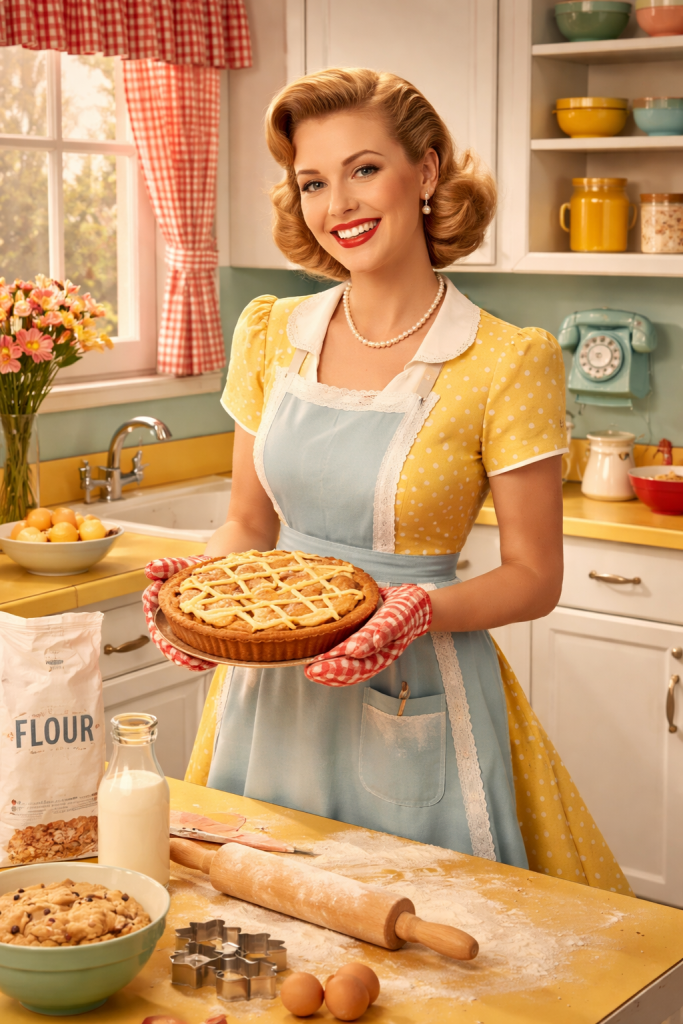
Leaving a marriage often meant financial ruin, social stigma, or losing access to one’s children. Survival, not fulfillment, was the organizing principle that ruled the lives of women.

Why this matters (and still echoes)
This system:
- Trapped women in unhappy or abusive marriages
- Made leaving financially dangerous
- Tied survival to partnership, not choice
- Shaped generations of relationship dynamics
Modern dating, marriage shifts, and women’s independence didn’t come from rebellion alone, they came from finally having legal autonomy.
Today, we are living through the collapse of that model.
And the data tells the story clearly: marriage rates are at historic lows, people are partnering later in life, and women are choosing to remain single in unprecedented numbers. This has sparked endless cultural debates about “modern dating,” loneliness, and the so called crisis of commitment.
But what if this is not a crisis at all?
What if it’s a long overdue internal male transformation?
Financial Independence Changed the Rules Not the Game
The single most destabilizing force to traditional marriage wasn’t feminism as an ideology.
It was women’s financial autonomy.

When women gained access to education, income, credit, and legal protections, they were no longer required to stay in relationships that compromised their dignity, safety, or emotional well being.
This shift did something profound:
It removed survival as the primary reason to stay.
And once survival is no longer on the line, choice becomes values based.
Women no longer select partners because they must, women now select because they want to.
That changes everything.
Why This Moment Is Forcing Men to Heal
For generations, men were largely socialized around external metrics:
- Providing financially
- Maintaining status
- Suppressing vulnerability
- Exercising control rather than cultivating connection
Very few were taught:
- Emotional literacy
- Nervous system regulation
- Relational accountability
- Ethical intimacy
- How to be psychologically safe partners
When provision alone was enough, these gaps were hidden.
Now, they are exposed.
Because today, a woman does not need a man to survive.
She needs a man who is emotionally coherent, integrated, and grounded in purpose.
This is an invitation for deep transformative healing and transformation.
The Decline of Marriage Is Not the Death of Love
What we are witnessing is not the rejection of commitment.
It is the rejection of tolerated harm.
Women are no longer willing to exchange peace for protection, or longevity for emotional neglect. Being alone, for many, now feels safer than being unseen, disrespected, or psychologically destabilized.
As a result:
- Fewer people are marrying
- More people are waiting
- Standards have risen faster than cultural adaptation
This creates a transitional generation; one where old scripts no longer function, but new ones are still being written.
Masculinity at a Crossroads
This era marks the end of a particular version of masculinity: one rooted in dominance, entitlement, and emotional suppression.
What replaces it is not weakness.
It is depth.
The men who will thrive in this new relational landscape are those who:
- Take responsibility for their inner world
- Heal attachment wounds rather than outsource regulation
- Lead with integrity rather than control
- See partnership as mutual evolution, not entitlement

These men are being waited for.
The Future of Partnership
The future does not belong to forced marriages, rigid roles, or endurance–based love.
It belongs to:
- Fewer marriages, but stronger ones
- Later commitments, but deeper alignment
- Relationships chosen freely, not out of fear
- Masculinity defined by character, not dominance
This transition is uncomfortable especially for those who benefited from the old system without ever questioning it.
But it is also hopeful.
Because relationships built on choice rather than necessity are not weaker.
They are truer.
And when survival is no longer the reason two people stay together, what remains is something far more powerful:
Intentional love.

Leave a comment